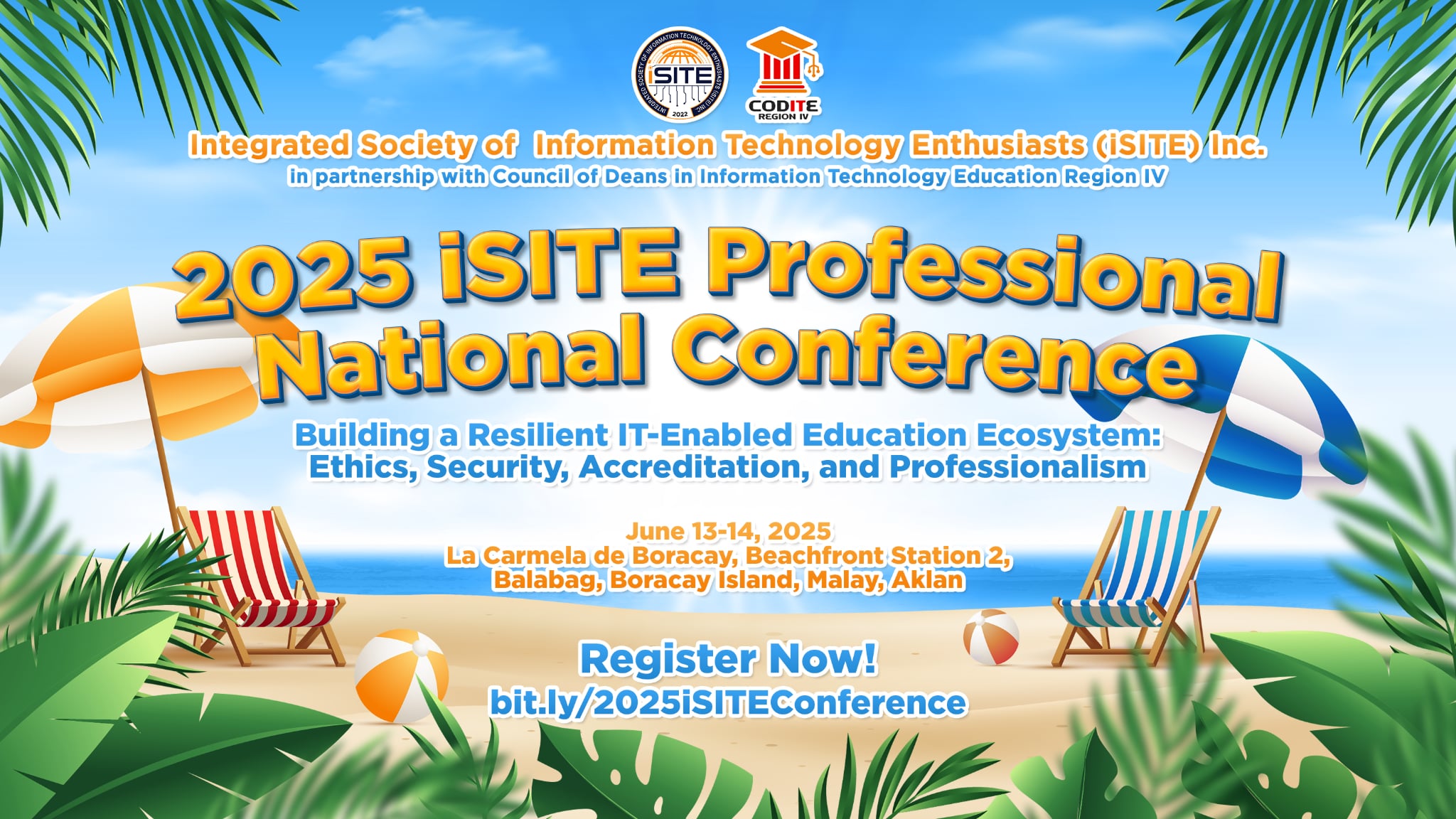
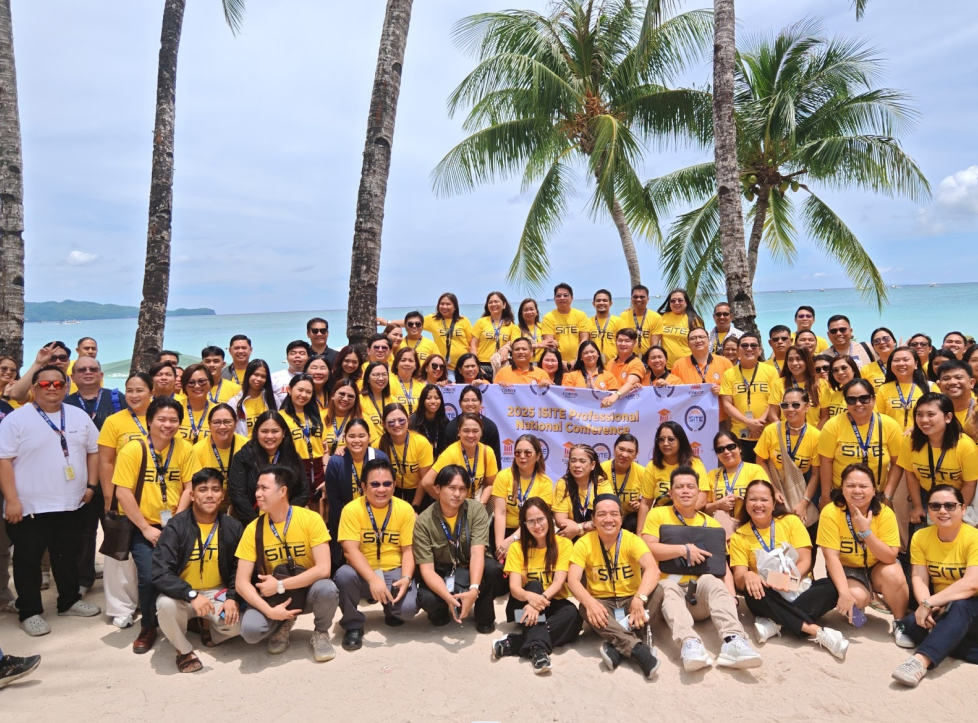
Faculty delegates from the College of Information Technology and Computer Science (CITCS) at the University of the Cordilleras participated in the 2025 iSITE Professional National Conference. Held from June 13–14, 2025, at Boracay Island, Aklan, the conference carried the theme “Building a Resilient IT-Enabled Education Ecosystem: Ethics, Security, Accreditation, and Professionalism”.
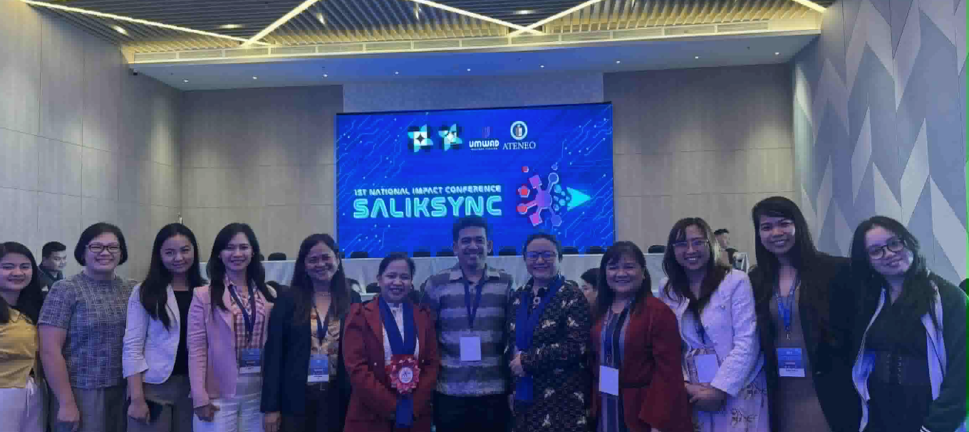
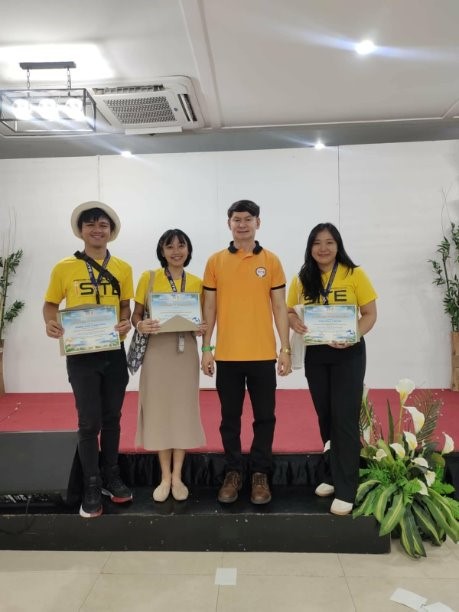
Organized by the Integrated Society of Information Technology Enthusiasts (iSITE) Inc. in partnership with the Council of Deans in Information Technology Education (CODITE) Region IV, the event brought together educators and industry practitioners to discuss trends shaping the future of computing education. Representing the UC CITCS were Ms. Zyra Yell Fagyan, and Ms. Gem Balay-odao.
Day 1: Laying the Foundation of Excellence
Accreditation, Analytics, and Professionalism
The first day focused on the structural pillars of quality education and the evolving standards of the Commission on Higher Education (CHED) . Engr. Loupel Gueta of CHED Region IV presented critical updates on the Policies, Standards, and Guidelines (PSGs) for Information Technology Education (ITE).
- Future-Proof Curricula: Programs in IT, Computer Science, and Information Systems must be dynamic and responsive to national development needs.
- Competency Assessment: HEIs are encouraged to align with the results of the Test of Practical Competency in Information and Communications Technology (TOPCIT).
- Faculty and Leadership Revisions: Proposed changes include identifying program tracks, specifying calculus requirements for BSCS, and requiring faculty in specialized courses to have aligned graduate degrees. Additionally, deans of HEIs offering multiple IT-related programs are now expected to have 3–5 years of management experience.
The day also delved into the global stage of accreditation. Dr. Roselie B. Alday and iSITE President Dr. Neil P. Balba detailed the importance of international mutual-recognition agreements.
- Seoul Accord: Facilitates the mutual recognition of tertiary-level computing qualifications globally.
- Washington Accord: Recognizes the substantial equivalence of accredited engineering programs across member economies.
- Local Impact: Dr. Rejan Tadeo explained how achieving Level I to Level IV accreditation in the Philippines empowers institutions with administrative and financial deregulation, as well as priority for CHED grants.
Day 1 concluded with a deep dive into data. Dr. Luisa P. Macatangay and Dr. Alice M. Lacorte explored the evolution from Business Intelligence (BI)—making sense of historical data—to Business Analytics (BA)—utilizing forecasting and data modeling. With 67% of leaders now using Generative AI for analytics, it was emphasized that academic programs must integrate AI literacy and ethics to bridge the current skills gap.
Day 2: Navigating the Edge of Innovation
Accreditation, Ethics, and Security
The second day challenged educators to look beyond technical skills toward Industry 5.0, a human-centered approach to technology. Mr. Jolly Villaviza addressed the “IT Talent Gap,” noting that 75% of employers struggle to find job-ready graduates. He emphasized that international professional certifications act as a vital “equalizer” for fresh graduates, validating skills beyond the diploma in high-demand areas like cybersecurity and AI.
Mr. Randy Knutson spoke on “Teaching at the Edge of Innovation,” highlighting Blockchain as a tool for transparency and verifiable digital credentials. He noted that the new imperative for teachers is to foster creativity, critical thinking, and adaptability alongside technical mastery
The conference reached its peak with Dr. Rolando R. Lansigan, who addressed Cybersecurity and Data Privacy in the Age of AI. He discussed how AI is used by both cybercriminals for phishing and deepfakes and cybersecurity teams for real-time threat detection and incident response. He reminded participants of the necessity of adhering to Philippine legal frameworks, specifically: Cybercrime Prevention Act of 2012 (R.A. 10175) and Data Privacy Act of 2012 (R.A. 10173).
SDG Alignment
The insights and strategies from the conference directly support several United Nations Sustainable Development Goals (SDGs), particularly in the Philippine higher education context:
- SDG 4: Quality Education: Through the focus on international accreditation accords (Seoul and Washington) and the continuous improvement of faculty qualifications and curricula.
- SDG 8: Decent Work and Economic Growth: By addressing the IT talent gap through industry-academe synergy, certification pathways, and preparing students for the high-demand digital economy.
- SDG 9: Industry, Innovation, and Infrastructure: Through the integration of emerging technologies like AI, Blockchain, and advanced analytics into the educational infrastructure.
- SDG 16: Peace, Justice, and Strong Institutions: By promoting ethical AI leadership and strict adherence to national data privacy and cybercrime laws.
The iSITE National Professional Conference 2025 provided a comprehensive roadmap for strengthening the role of HEIs in the digital age. For the University of the Cordilleras, the participation of CITCS faculty delegates ensures that its computing programs remain at the forefront of quality and industry relevance. By focusing on ethics, security, and global accreditation standards, the institution continues to contribute to the development of a resilient, innovation-driven ecosystem in the Philippines.