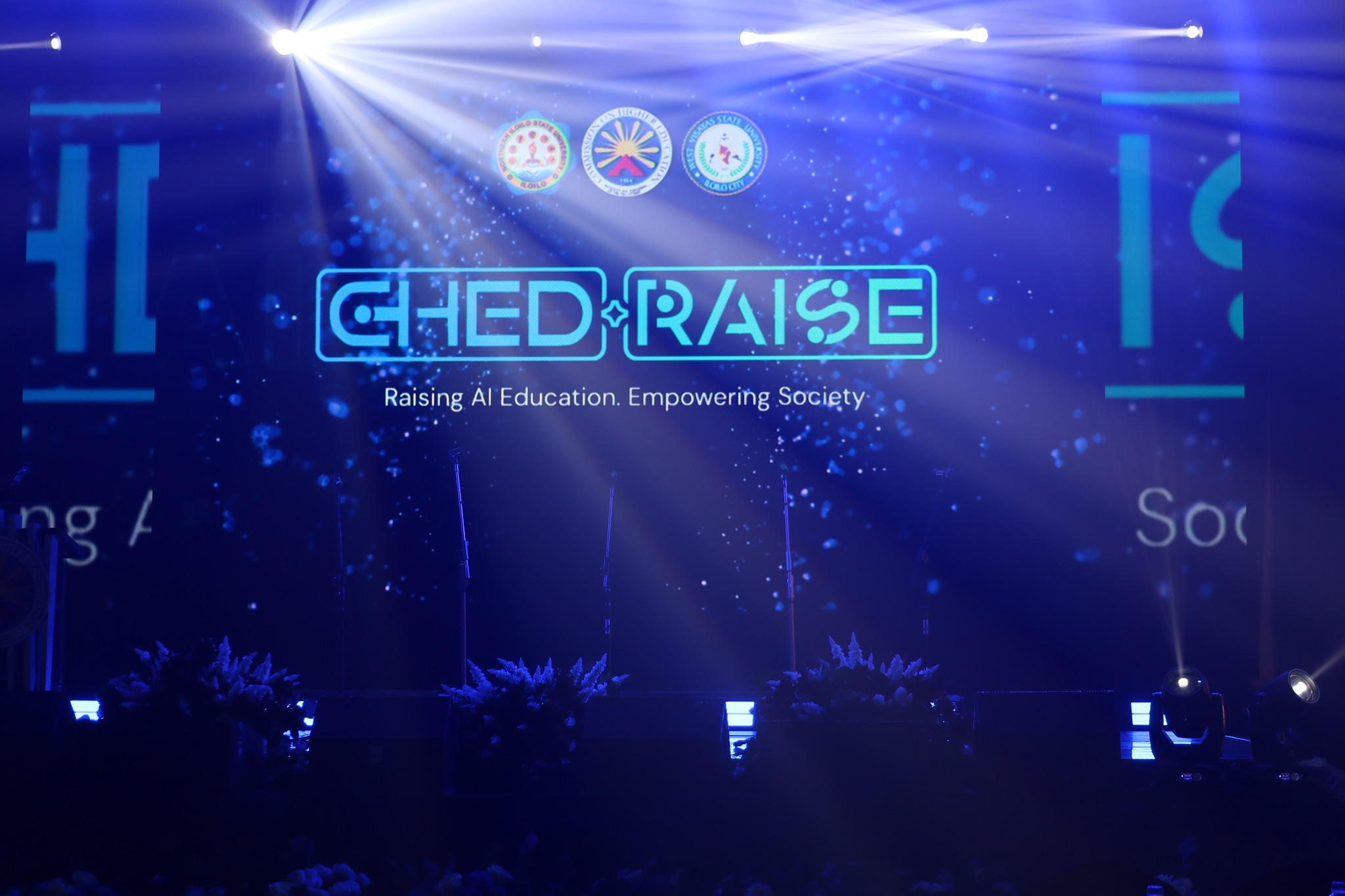
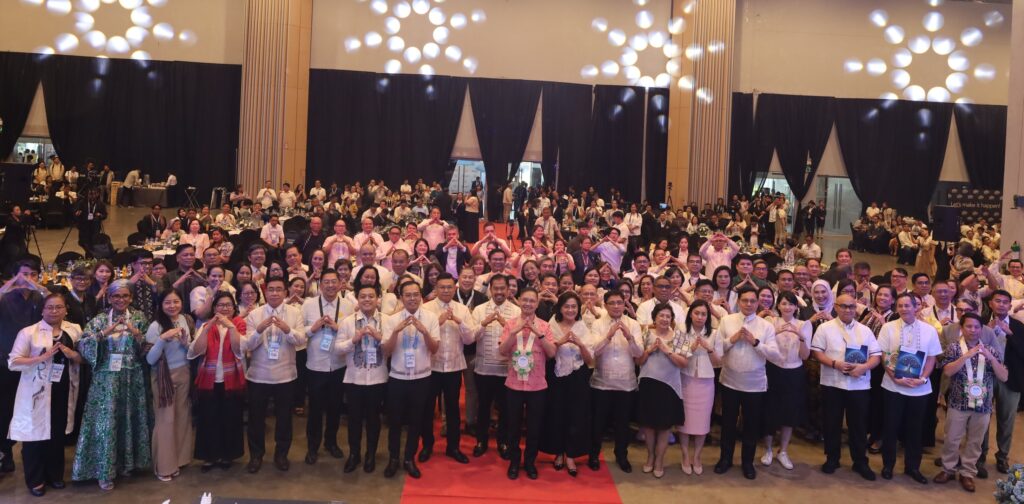
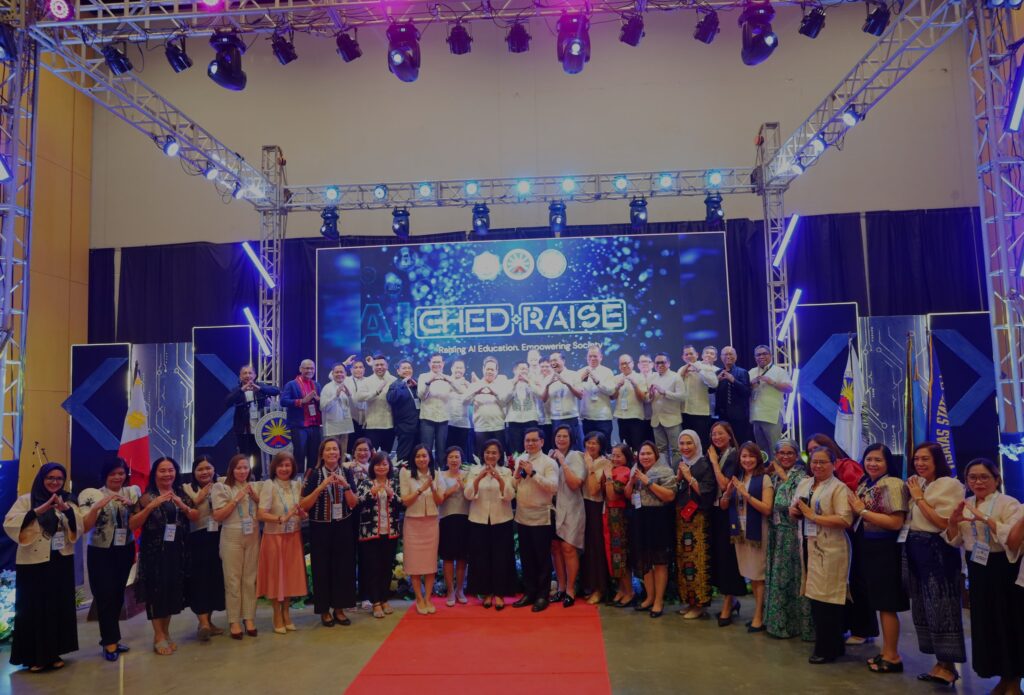
The CHED RAISE 2026 Conference, held from February 25 to 27, 2026 at the Iloilo Convention Center, served as a significant platform for advancing the integration of Artificial Intelligence (AI) in Philippine education. With the theme “Responding through AI for Societal Empowerment,” the conference gathered leaders from higher education institutions, government agencies, and industry partners to develop actionable strategies for preparing the country for the AI-driven future.
Strategic Institutional Participation
The University of the Cordilleras actively participated in this national summit through Dr. Jeffrey S. Ingosan, Dean of the College of Information Technology and Computer Science (CITCS), and Mr. Venn Edward Nicolas, faculty member of the college. Their participation ensured that the university remains connected with national developments in AI education and workforce development.
By engaging in discussions on policy, curriculum innovation, and AI capacity-building, UC continues to strengthen its role as a forward-looking institution that prepares students for emerging technology-driven careers.
Key National Milestones from CHED RAISE 2026
1. Philippine Skills Framework for Analytics and AI (PSF-AAI)
One of the major highlights of the conference was the turnover of the Philippine Skills Framework for Analytics and Artificial Intelligence (PSF-AAI) to key education agencies, including the Commission on Higher Education, Department of Education, and the Technical Education and Skills Development Authority.
This framework provides a competency-based guide that will help higher education institutions design programs aligned with industry requirements. It identifies emerging career paths such as AI engineers, data scientists, machine learning specialists, and analytics managers, ensuring that graduates possess the skills needed in the evolving digital economy.
2. Draft National AI Policy in Education
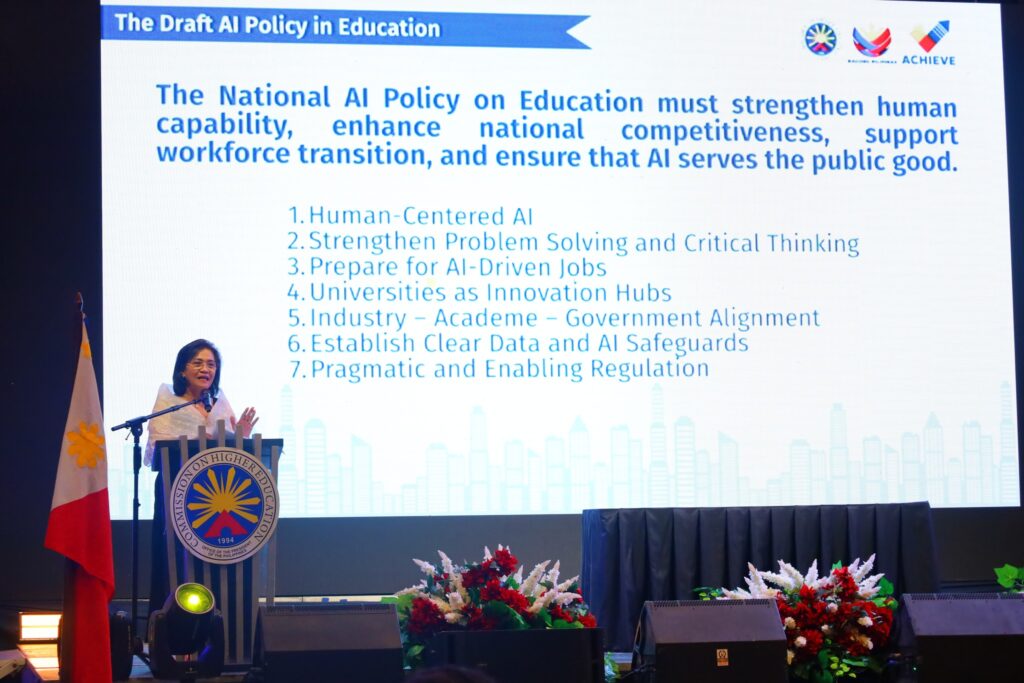
Another key outcome of the conference was the digital commitment signing for a Draft AI Policy in Education, aimed at promoting the responsible and ethical use of artificial intelligence in learning environments. The proposed policy emphasizes academic integrity, transparency in AI-assisted learning, and the development of critical thinking skills among students.
Notably, the University of the Cordilleras already has an established institutional AI policy that supports AI integration across its curriculum, research initiatives, and institutional operations, with a focus on responsible, ethical, and innovative use. This positions the university ahead in terms of governance and responsible AI adoption and reflects UC’s proactive approach to integrating emerging technologies while maintaining strong academic standards and ethical safeguards.
Implications for IT Education and Curriculum Development
A major theme of the conference was the need for higher education institutions to anticipate industry requirements four to five years into the future. As a result, institutions offering programs such as the Bachelor of Science in Information Systems (BSIS) and Bachelor of Science in Information Technology (BSIT) are encouraged to align their curricula with the competencies identified in the PSF-AAI framework.
This realignment includes integrating AI-related competencies into coursework, strengthening data analytics and machine learning fundamentals, and embedding ethical considerations into technology-focused subjects. Such efforts aim to produce graduates who are not only technically skilled but also capable of responsible innovation.
SDG Alignment
The initiatives discussed during the conference contribute to several global development priorities under the United Nations Sustainable Development Goals.
SDG 4 – Quality Education
Integrating AI into higher education enhances learning quality and prepares students with future-ready competencies required in modern industries.
SDG 8 – Decent Work and Economic Growth
Developing an AI-skilled workforce supports innovation, increases productivity, and strengthens the Philippines’ competitiveness in the global digital economy.
SDG 9 – Industry, Innovation, and Infrastructure
Encouraging AI-driven research and collaboration between academia and industry fosters technological innovation and digital infrastructure development.
SDG 17 – Partnerships for the Goals
The collaboration among universities, government agencies, and industry partners reflects the importance of multi-sectoral partnerships in addressing technological and societal challenges.
Institutional Impact and Future Directions
Participation in the CHED RAISE 2026 Conference reinforces the University of the Cordilleras commitment to shaping the future of AI-enabled education. With an existing institutional AI policy already in place, the university is well-positioned to further strengthen responsible AI integration across teaching, research, and community engagement.